Burckhardt Compression will supply compression technology to Itochu’s under development ammonia bunkering vessel. The vessel is under construction by Sasaki Shipbuilding and is scheduled for delivery in 2027.

Burckhardt Compression will supply compression technology to Itochu’s under development ammonia bunkering vessel. The vessel is under construction by Sasaki Shipbuilding and is scheduled for delivery in 2027.

NH3 Clean Energy and Japanese trader ITOCHU will collaborate over the next two years to support the development of ammonia bunkering operations in the Pilbara by 2030.

ITOCHU, TORAY and Uyeno Transtech have signed a joint development agreement for ammonia bunkering in Japan. Ship management company BSM will oversee the technical management of ITOCHU’s 5000m3 capacity newbuild ammonia bunkering vessel, set to be delivered to Singapore in 2027.
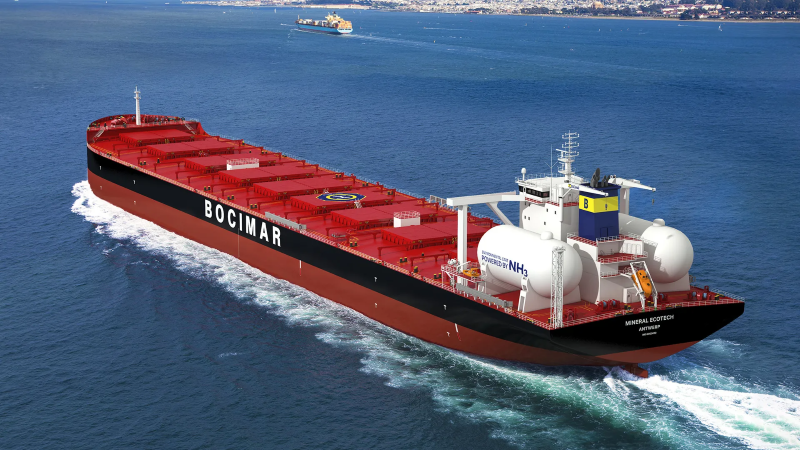
Mitsui O.S.K. Lines and ITOCHU will use their own vessels to demonstrate ship to ship ammonia bunkering in Singapore in 2027. This week, ITOCHU also signed collaboration agreements for the development of ammonia bunkering near the Suez Canal.

Larsen & Toubro and ITOCHU will develop and commercialise a 300,000 tons per year renewable ammonia plant in Kandla, on India’s west coast. L&T reportedly plans to invest over $5.6 billion in six ammonia production plants around Kandla, serving marine fuel, bunker and export markets.

ITOCHU has signed a world-first contract with Sasaki Shipbuilding for a 5000 m3 ammonia-fueled, ammonia bunkering vessel. The vessel is set to be delivered by September 2027.
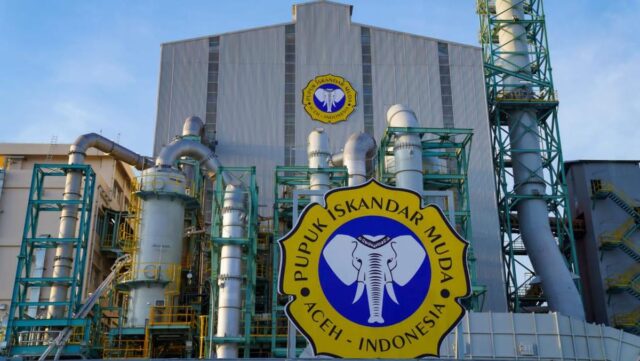
Pupuk Indonesia will collaborate with TOYO and ITOCHU to develop a hybrid renewable ammonia plant at an existing production facility in western Indonesia. Via a subsidiary, Pupuk will also supply renewable ammonia to PLN Indonesia Power’s co-firing demonstration project in west Java.
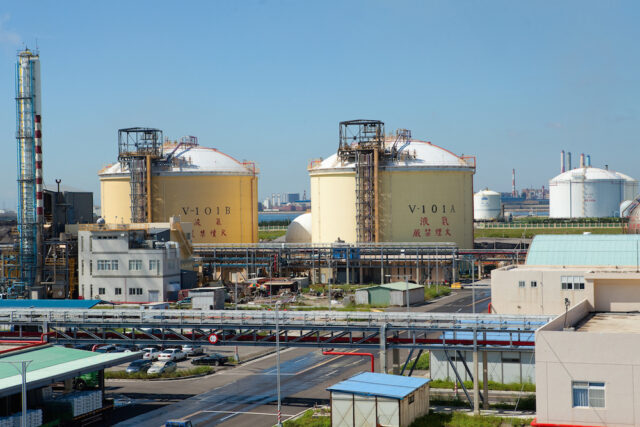
We highlight ammonia developments in Taiwan in line with the island nation’s plans to achieve net-zero emissions by 2050:
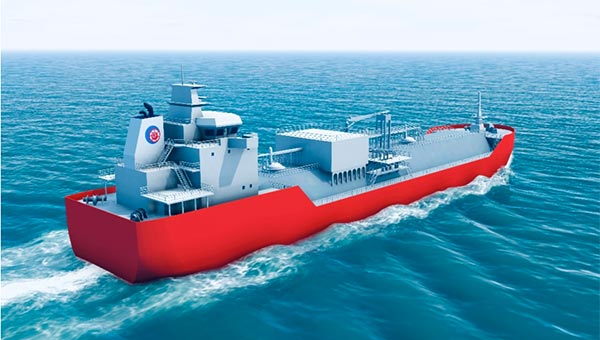
Eastern Pacific Shipping’s on-order very large ammonia carriers (VLACs) will be registered in Singapore, thanks to a new partnership with the Maritime and Port Authority. Trafigura has announced the first of its ammonia-fueled, medium gas carriers will be delivered from South Korea in 2027. In Japan, K LINE and MAN are leading a 5-party collaboration to develop ammonia fueled-engines and deploy them in 200,000 dwt bulk carriers. We also explore ammonia-fueled Aframaxes in Malaysia, a concept study for a large-volume, coastal ammonia carrier in Japan, and a new salmon fishing vessel design in Norway.
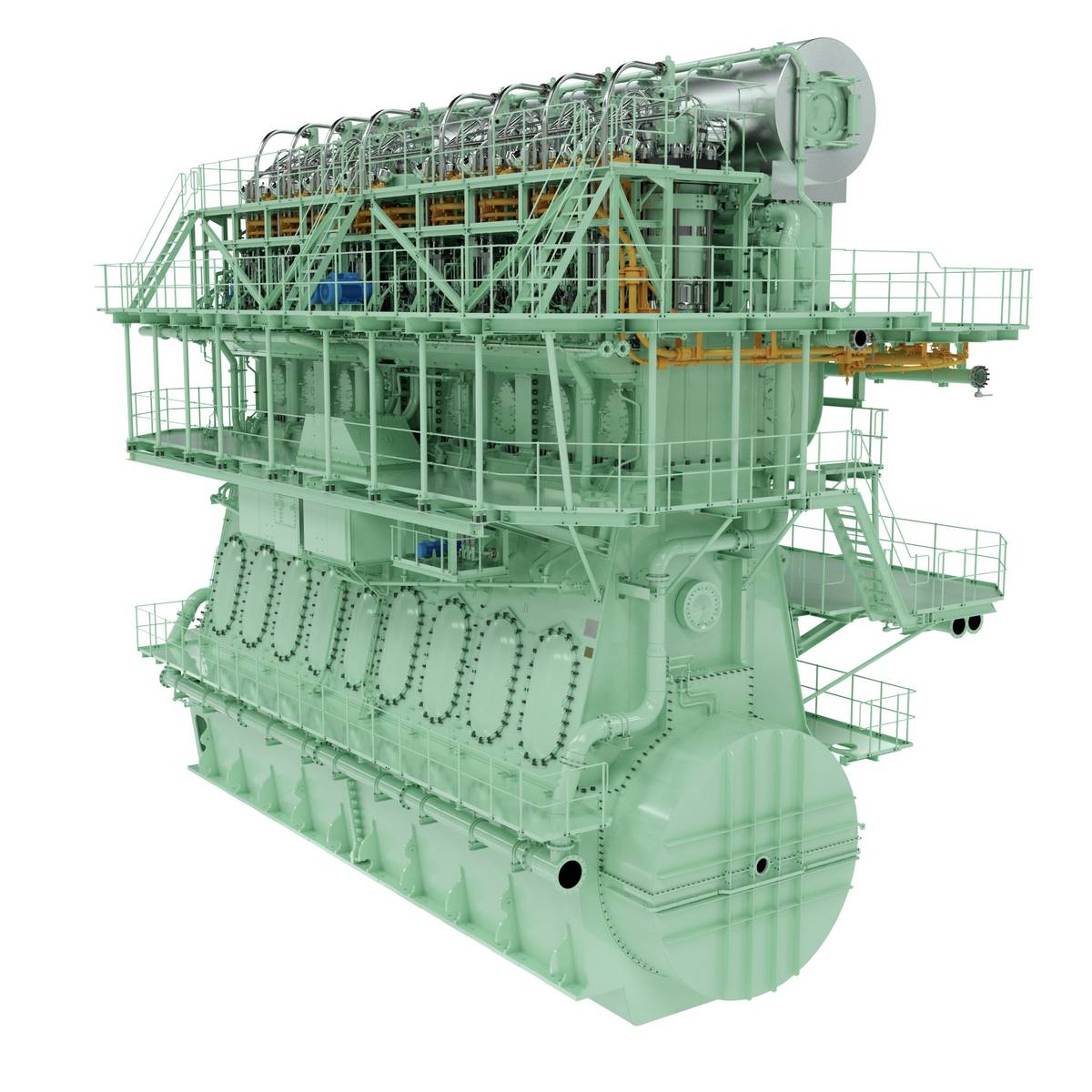
MAN Energy Solutions has announced one of the first deployments of its ammonia two-stroke engine will take place in Japan. Mitsui E&S will construct the MAN B&W 7S60ME dual-fuel engine, with Imabari Shipbuilding to then install it aboard a Newcastlemax bulk carrier, along with an integrated SCR catalytic converter to treat engine NOX emissions. The news underscores significant momentum for the deployment of marine ammonia engines, with Wärtsilä, WinGD and Mitsubishi Shipbuilding also engaged in ongoing projects.
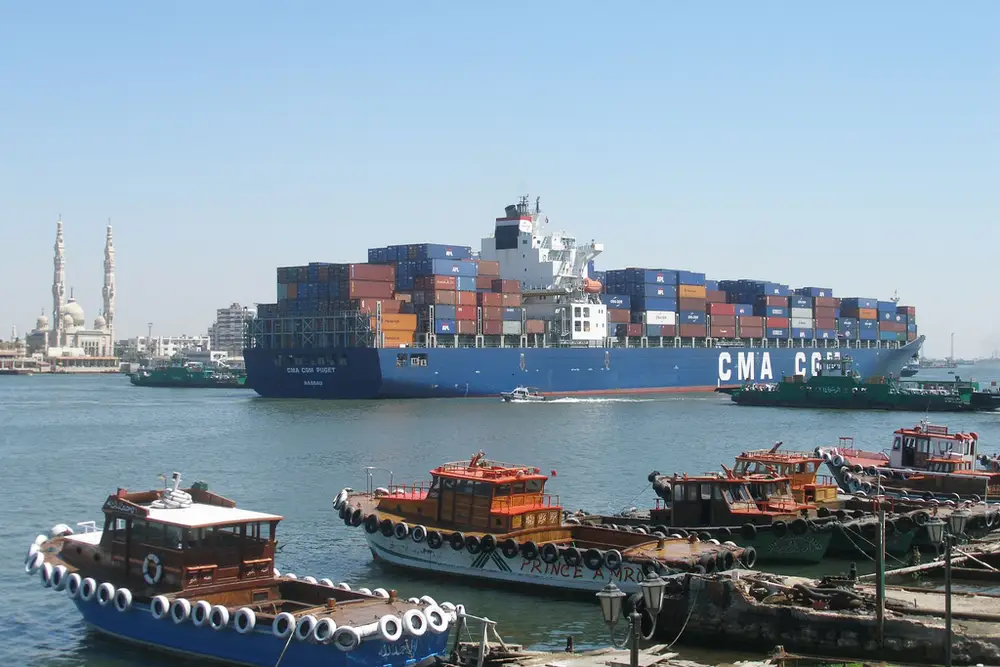
ITOCHU & Orascom Construction have partnered to develop an ammonia bunkering hub at the Suez Canal in Egypt. In other news, Fertiglobe and AD Ports Group will leverage the latter’s logistics expertise and infrastructure in the UAE to strengthen Fertiglobe’s ability to store and transport ammonia & urea.
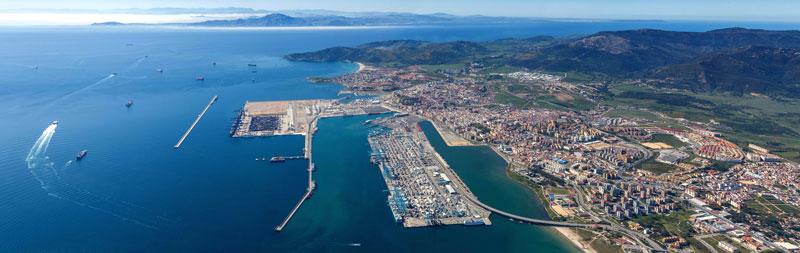
The two partners will pool their resources to develop ammonia bunkering at the Port of Algeciras in Spain.
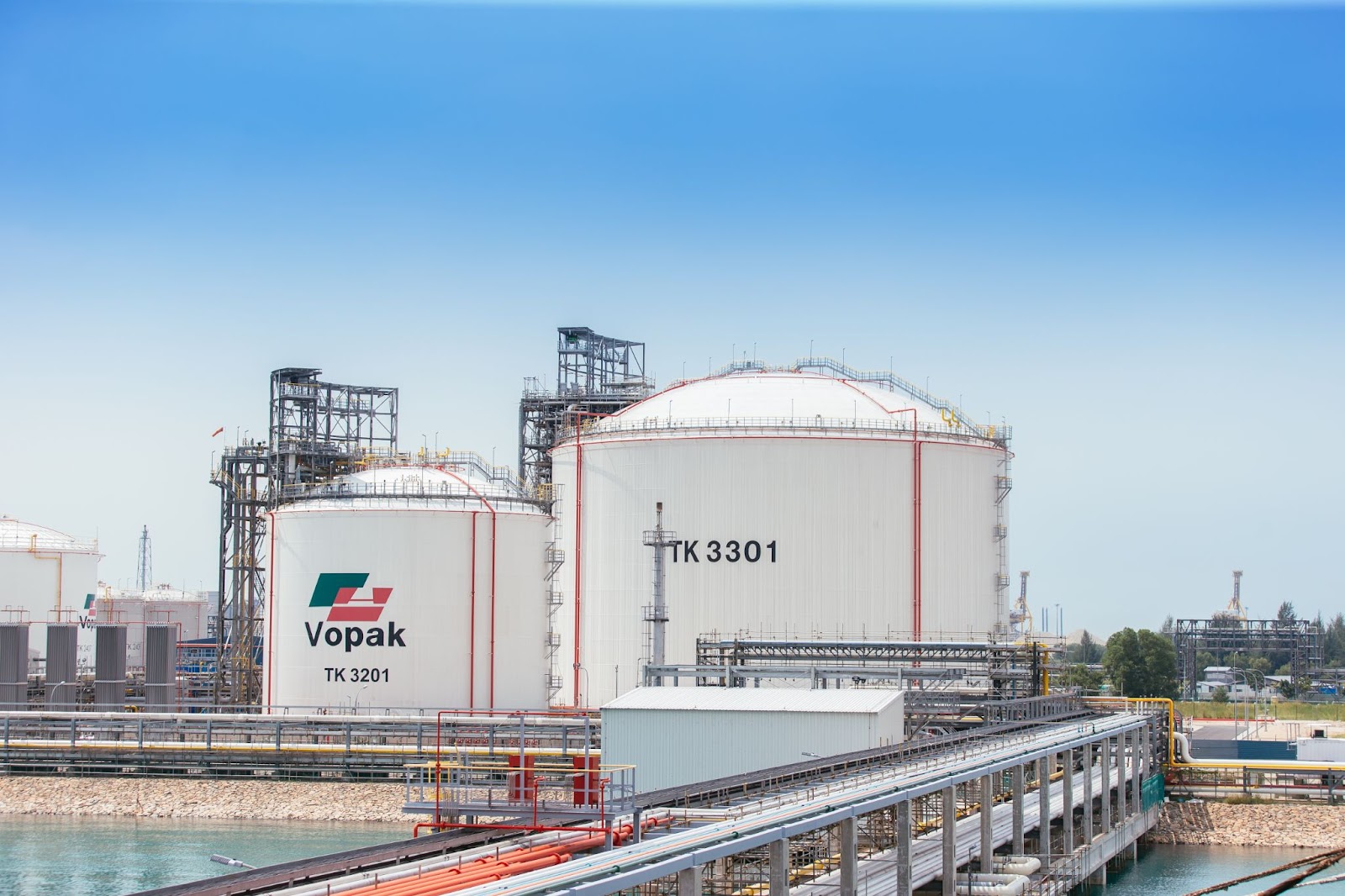
Vopak Singapore will explore options to expand ammonia infrastructure at its Banyan terminal on Jurong Island, Singapore. Vopak has been investigating infrastructure upgrades to enable maritime ammonia bunker fuel in Singapore since 2020, and will invest €1 billion by 2030 into “new energies”, including low-carbon and renewable hydrogen & ammonia. In the Netherlands, Vopak is currently converting two existing refrigerated LPG storage tanks to receive ammonia imports at the North Sea port of Vlissingen.

Syzygy Plasmonics, LOTTE and Sumitomo Corporation of Americas announced they will join forces to deploy & test Syzygy’s fully-electric, photocatalytic ammonia cracking reactor at LOTTE Chemical’s HQ in Ulsan, South Korea. Syzygy’s reactor technology uses light from ultra-high-efficiency LEDs to crack ammonia into zero-carbon hydrogen, eliminating combustion emissions usually associated with chemical manufacturing. The announcement is one of several new ammonia collaborations this week, with LOTTE, ITOCHU and Sasol all announcing new agreements.
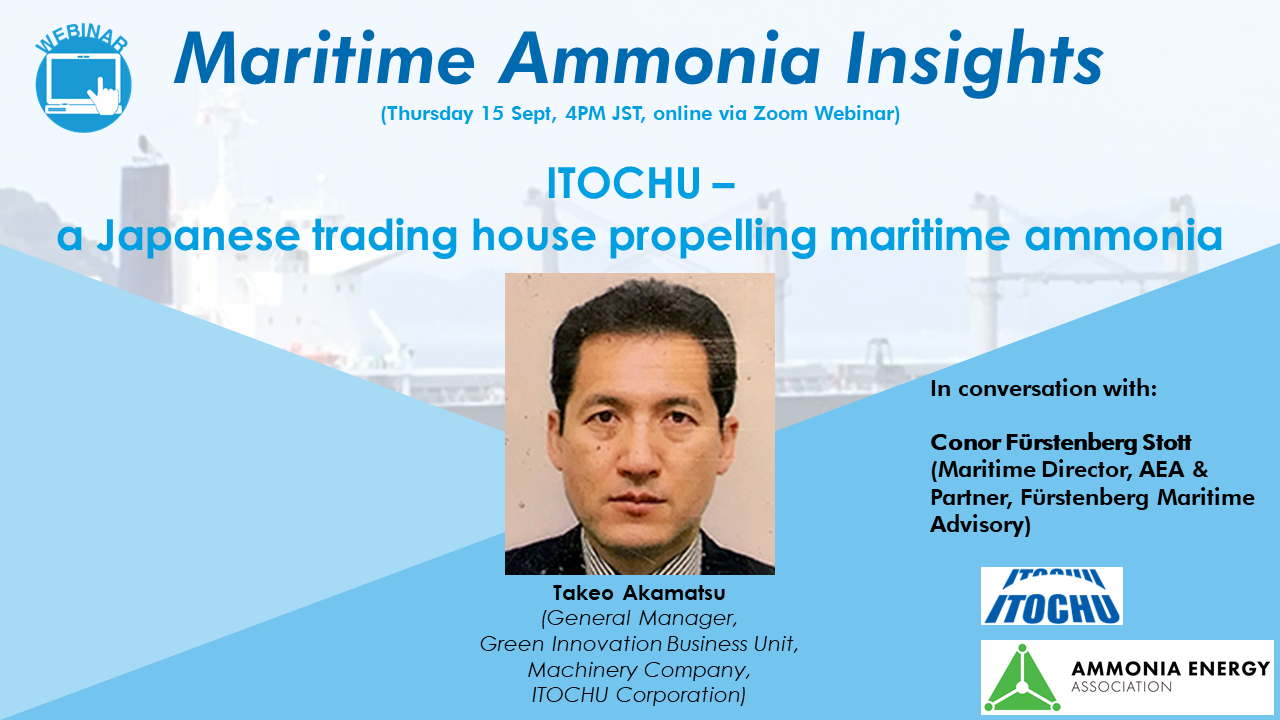
Hear about an upcoming FID decision on an ammonia-propelled bulk carrier, and ITOCHU’s long-term strategy for maritime ammonia fuel.

A consortium led by Sembcorp Marine has been granted AiP by the American Bureau of Shipping for a new ammonia bunkering vessel design. Sembcorp and its subsidiary LMG Marin (who was recently engaged by Grieg Maritime and Wartsila to design the MS Green Ammonia) were responsible for the design phase, which passed a rigorous HAZID assessment with support from the American Bureau of Shipping. Consortium partners also include Mitsui O.S.K. Lines and Itochu, two organisations with growing ammonia interests in Singapore. The new announcement is one of a number of ammonia & ammonia-ready bunkering designs in progress, with Korean Register, Oceania, Kanfer, Azane Fuel Solutions and the Korean Green Ammonia Shipping/Bunkering Consortium all at various stages of progress with their designs.

As reported at Ammonia Energy in May, Abu Dhabi Ports and Helios Industry are developing the UAE's first renewable ammonia plant. The 200,000 tonnes per year, green ammonia facility in Abu Dhabi will be powered by a 800 MW solar farm, with Helios investing $1 billion in the plant's construction. The project has a new partner, with thyssenkrupp signing an agreement to perform a technical feasibility study on a plant based on thyssenkrupp's electrolysis technology.

In early June, Itochu was part of a group of 23 founding signatories that kicked off a joint study into the feasibility of ammonia as a maritime fuel. This week that group has grown to 34. It now includes significant stakeholders from a diverse range of sectors: energy, mining, steel, power utility, chemicals manufacturing & distribution, shipbuilding, maritime terminals, maritime classification societies and of course maritime fuel production, supply & distribution.

Woodside Energy, JOGMEC, Marubeni and two Japanese power utilities signed a joint research agreement this week to investigate the feasibility of a blue ammonia supply chain between Australia and Japan.
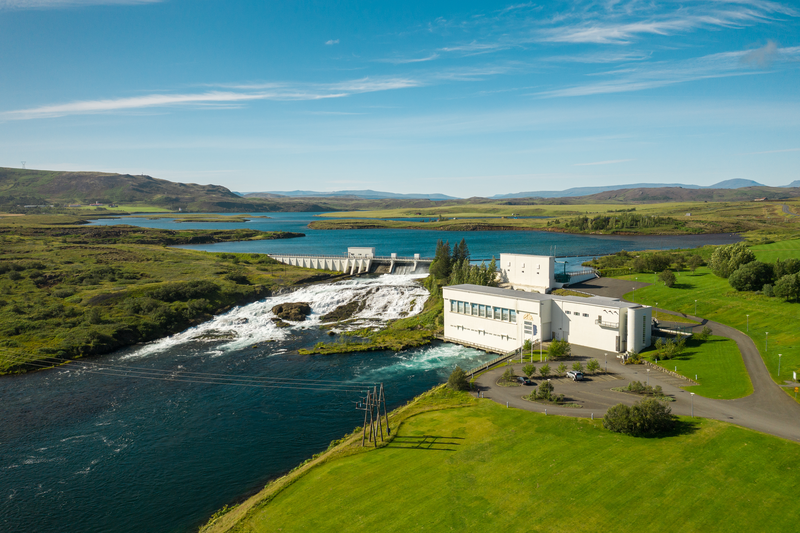
This week: a roadmap for ammonia-fueled gas turbines in Asia, ammonia solutions in Iceland, IMO sets new decarbonisation milestone, new ammonia-powered vessels planned, maritime study developments, Australian updates (Fortescue, AREH and Itochu in Gladstone), Fertiglobe joins Abu Dhabi blue ammonia project and Statkraft's Porsgrunn plans.
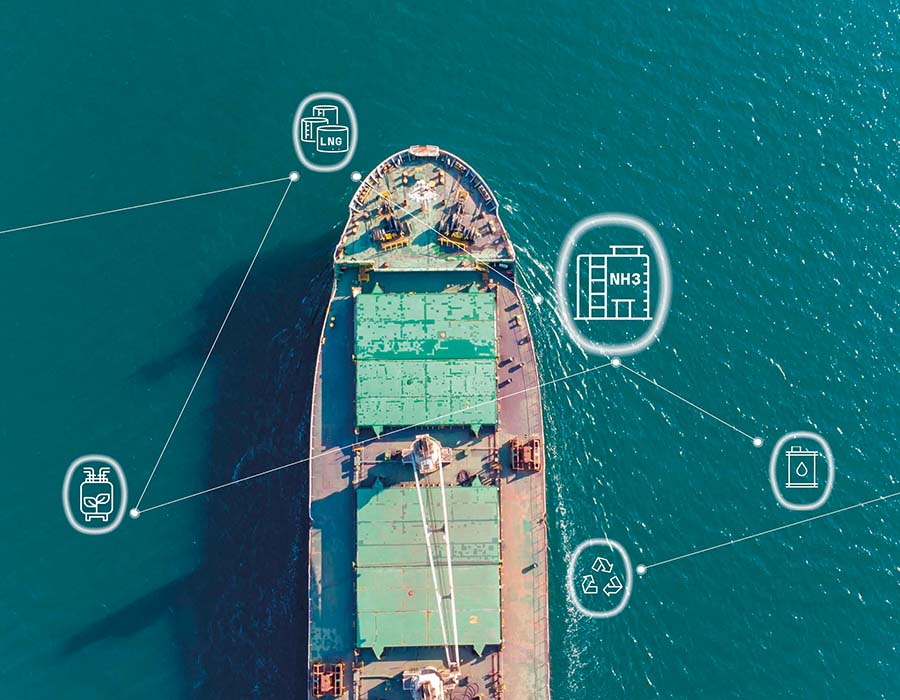
Welcome to the Ammonia Wrap: a summary of all the latest announcements, news items and publications about ammonia energy. There's so much news this edition that we're bringing you two, special Wrap articles. Our second focuses on maritime ammonia & supply chain development. This week: Bureau Veritas releases "Ammonia-Prepared" notation, Höegh Autoliners' ammonia-powered car-carrier to hit the water by 2023, Yara and JERA to collaborate, Japan's Kobe Port moves towards hydrogen and ammonia, New partners for Itochu/Vopak study in Singapore, and a new Voltachem ammonia study shows need for cross-border cooperation in EU.
Welcome to the Ammonia Wrap: a summary of all the latest announcements, news items and publications about ammonia energy. This week: new Japanese developments, new AiP for ammonia-fueled vessel, Singapore bunkering study, new ammonia from wastewater initiative, Fortescue brings carbon neutrality goals forward to 2030, Australian project updates for Hazer and H2U, and H2Pro updates from Israel.
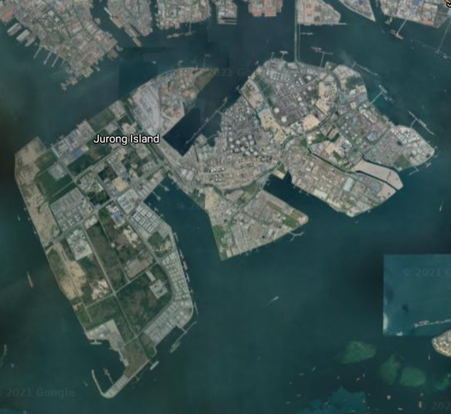
Two recent announcements show Singapore emerging as a center for development of ammonia as a maritime fuel. In both cases, multi-party coalitions, with Singaporean connections, are focusing on ground-breaking work.
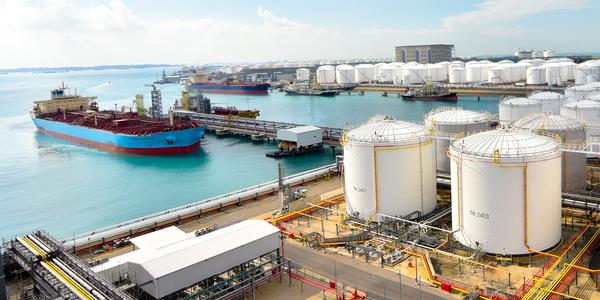
Last week, Itochu Corporation announced an agreement with Vopak, the oil and chemical storage tank and terminal operator, "to jointly study the feasibility of developing an infrastructure" at Vopak's Banyan Terminal, leading to the "establishment of supply chain of ammonia marine fuel in Singapore."
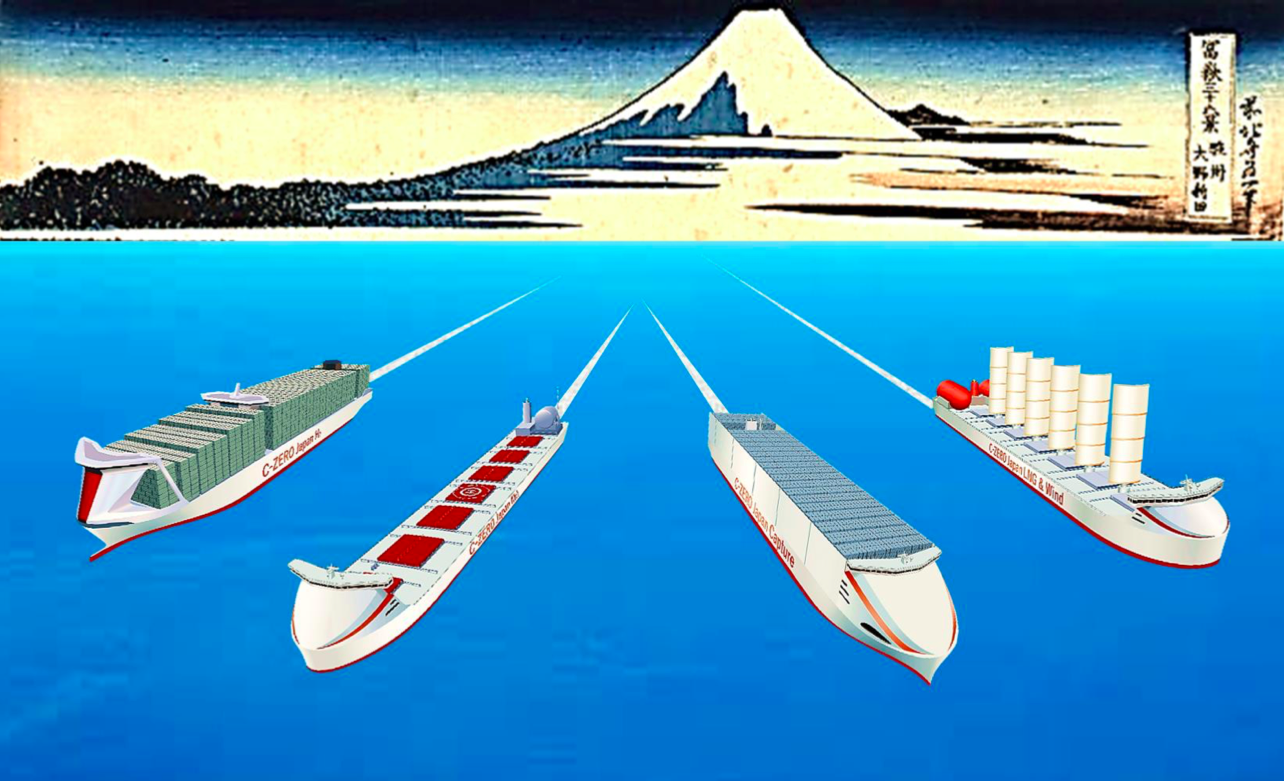
At least four major maritime ammonia projects have been announced in the last few weeks, each of which aims to demonstrate an ammonia-fueled vessel operating at sea. In Norway, Color Fantasy, the world's largest RORO cruise liner, will pilot ammonia fuel. Across the broader Nordic region, the Global Maritime Forum has launched NoGAPS, a major consortium that aims to deploy "the world's first ammonia powered deep sea vessel" by 2025. In Japan, a new industry consortium has launched that goes beyond on-board ship technology to include "owning and operating the ships, supplying ammonia fuel and developing ammonia supply facilities." And the Ministry of Land, Infrastructure, Transport and Tourism (MLIT), which published its roadmap last month, aims to demonstrate ammonia fuel on "an actual ship from 2028" — specifically, a 80,000 dwt ammonia-fueled bulk carrier.