CCS Ammonia
The Blue Point Joint Venture
Transforming Houston and the Gulf Coast for Ammonia Energy
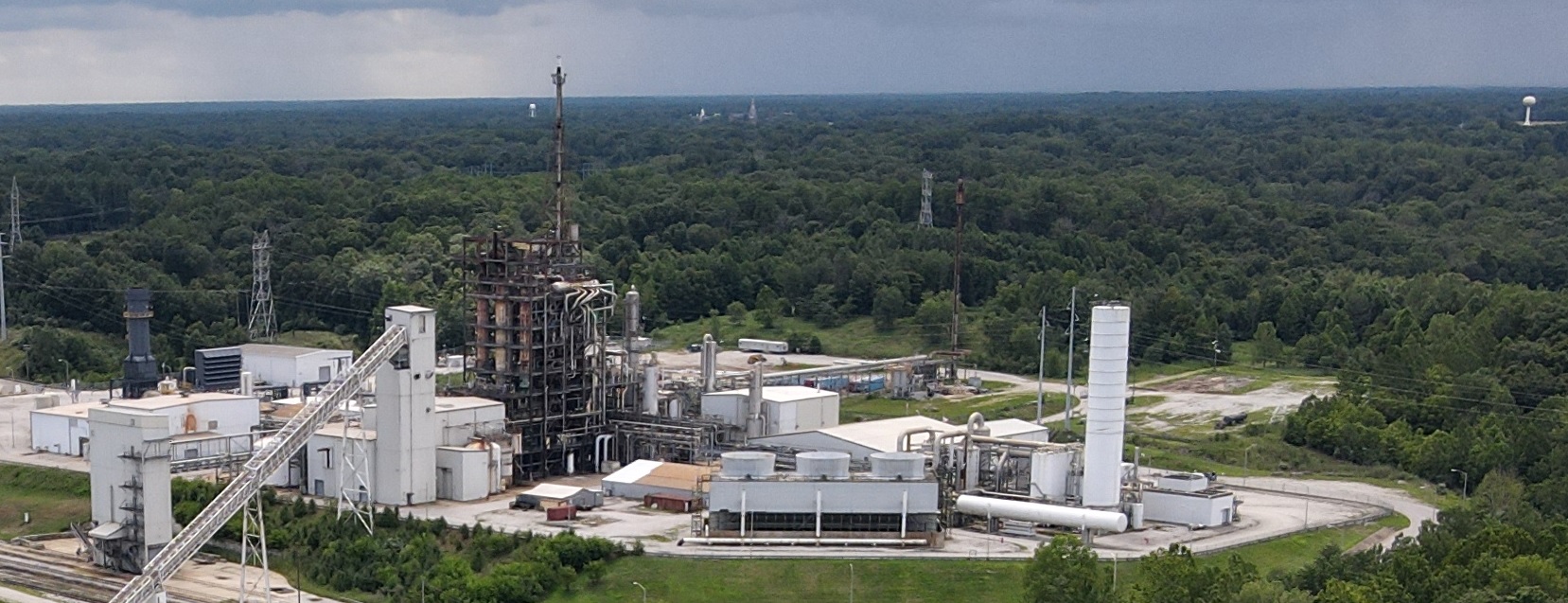
LSB and Lapis: retrofitting CCS to existing ammonia production in the USA
In our September Episode of Project Features, project partner Lapis Carbon Solutions and LSB Industries walk us through their CCS ammonia project in El Dorado, Arkansas. Permitting is expected to be finalized next year, followed by commencement of CCS operations in late 2026.
CF Industries ships first low-carbon cargo to Europe
23,500 tons of ammonia certified under the Fertilizer Institute’s Verified Ammonia Carbon Intensity (VACI) Program were loaded onto the Trafigura-operated Oceanic Star in Louisiana last month. The cargo is en route to Antwerp, where chemicals and materials manufacturer Envalior will use the low-carbon ammonia as a feedstock to produce the monomer caprolactam and downstream resins.
Pelican Sequestration Hub: emissions offtake from CF, JERA ammonia mega-project
1PointFive and Enbridge will develop the Pelican Sequestration Hub, anchored by a 25 year offtake agreement between CF Industries and 1PointFive for ~2.3 million tons of CO2 per year from the Blue Point ammonia mega-project.
Floating ammonia energy: new AiPs and partnerships
At the recent GasTech event in Italy, new agreements were signed for the development and execution of floating ammonia cracking (MOL and KBR), gas-based ammonia production (SBM Offshore), and renewable electricity-based ammonia production (H2Carrier).
LSB and Lapis: retrofitting CCS to existing ammonia production in the USA
Meet LSB Industries and Lapis Carbon Solutions, partners in a CCS retrofit project at LSB’s existing ammonia production facility in El Dorado, Arkansas. Based on the annual production of 375,000 tons of ammonia, 450,000 tons per year of concentrated carbon dioxide per year will be sequestered from 2026 onward.
GoSolar Energy: renewable ammonia-based fertiliser production in northern Arizona
GoSolar Energy’s industrial complex currently under development in northern Arizona will enable mega-scale CCS-based and renewable ammonia based fertiliser production for the local and export markets.
Gas-based reforming for low-emission ammonia production: ATR, POX, and two-step reforming
Current global ammonia production is mostly based on gas-fed, two-stage reforming processs. Decarbonization of this existing production capacity – as well as new newbuild low-emission capacity also based on gas – can utilize an industrially-proven suite of alternative technologies and processes, including autothermal reforming, and partial oxidation combined with CCS. This article discusses some of the technologies available from various tech providers, and reference projects in operation.