Site items in: Renewable Ammonia

Trafigura plans new green export project in South Australia
Article

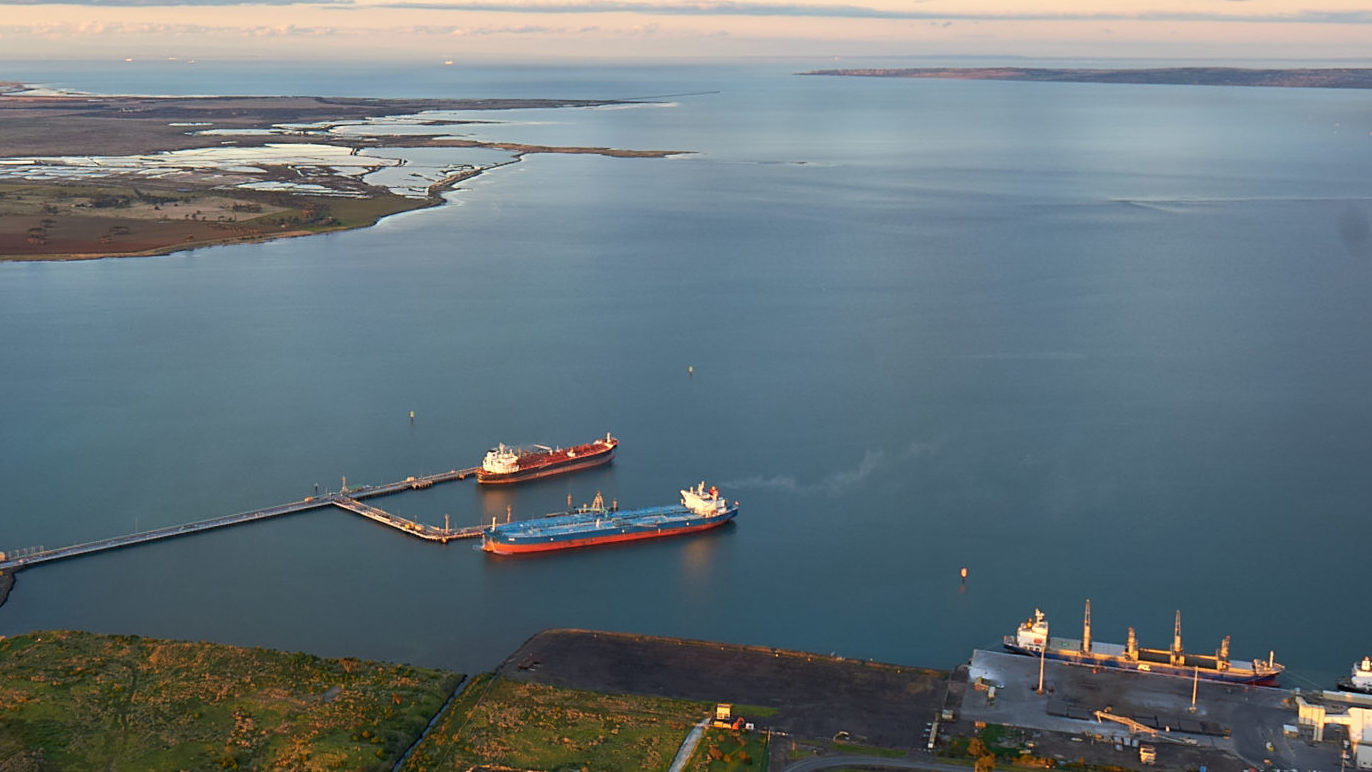
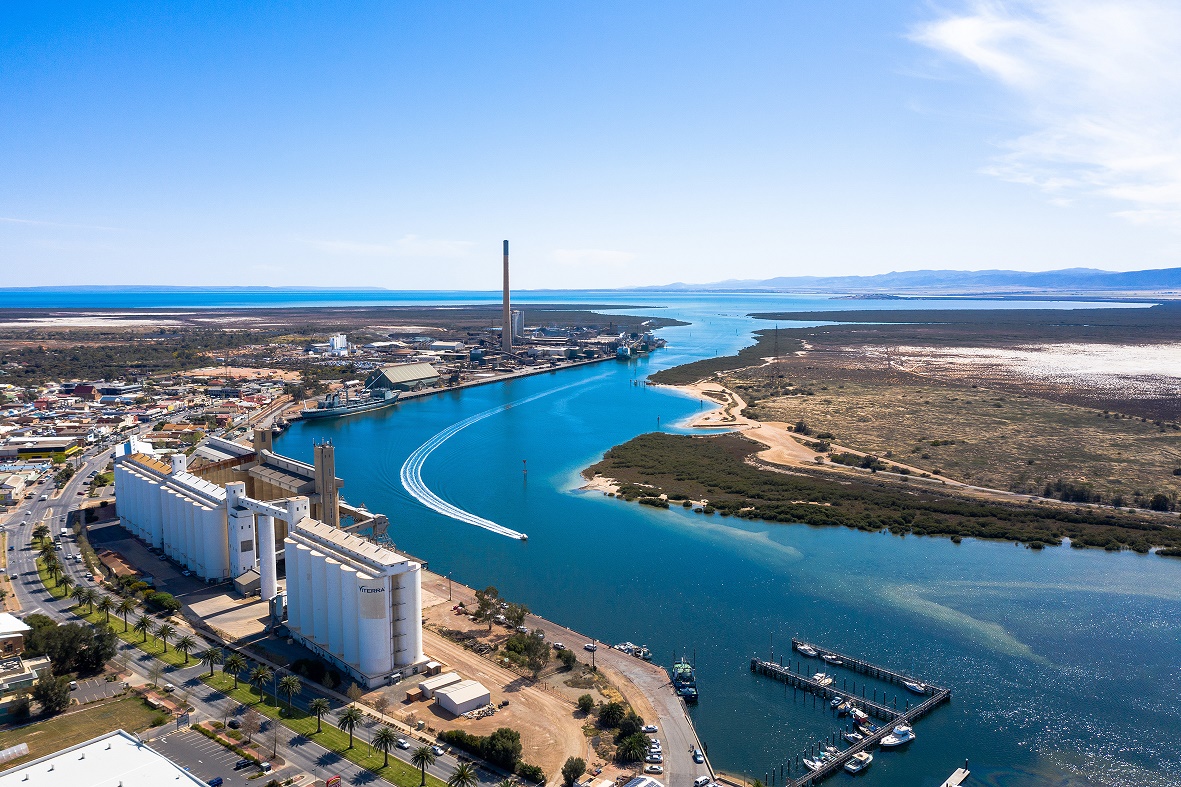
Trafigura and the South Australian state government will jointly fund FEED work into a commercial-scale green hydrogen export facility in Port Pirie, 200km north of Adelaide, the South Australian capital city. At full-scale the facility will produce 100 tonnes per day green hydrogen from 440 MW of electrolysers, with some earmarked for local use and the remainder to be exported as green ammonia (max. 200,000 tonnes per year). Oxygen produced during electrolysis will be sent next-door to Nyrstar's Port Pirie smelter, one of the world's largest producers of lead and silver. At full capacity, the electrolysis facility will meet 100% of the smelter's oxygen requirements.

Oman consortium to invest $1 billion in green export project
Article

SalalaH2's consortium partners (OQ, Marubeni, Linde and Dutco) will invest $1 billion bringing their green product export hub to life in Salalah, southern Oman. First announced in October 2021, the project features 1 GW of wind and solar capacity (new build & existing), which will power 400 MW of electrolysers, feeding an existing ammonia production plant owned & operated by OQ.

Fortescue's ammonia locomotive one step closer
Article

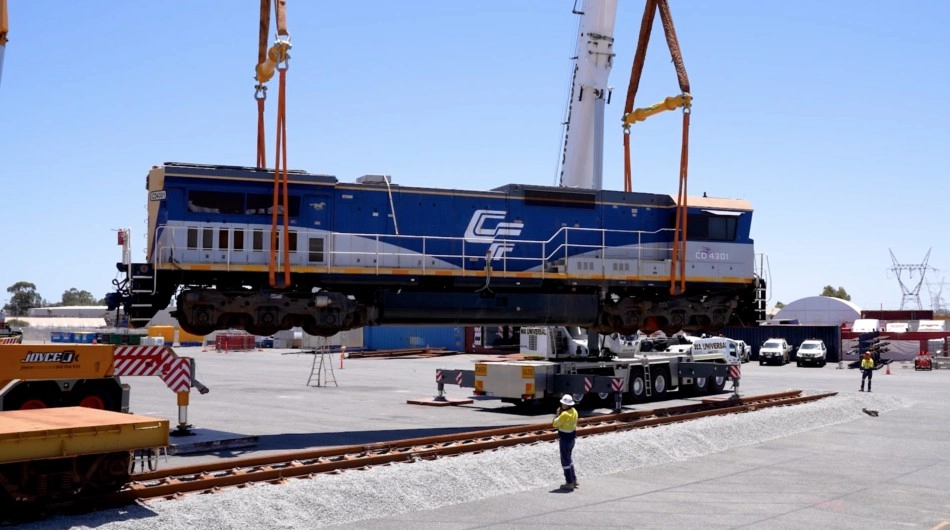
R&D for ammonia-powered locomotives is full steam ahead in Perth, as Fortescue Future Industries moves onto converting two four-stroke, diesel locomotives to run on ammonia fuel. Deployment of an ammonia-powered demonstration locomotive within their current rail operations is planned for later this year. In other FFI news this week, a technical feasibility study has given the thumbs up for FFI to convert Incitec Pivot's existing Gibson Island ammonia production plant to a green ammonia facility, and a new agreement between Australian energy giant AGL and FFI will see the pair turn the current Liddell and Bayswater coal power stations into a huge green hydrogen hub near Newcastle, NSW.

World-scale solar ammonia plant planned for South Africa
Article

Hive Hydrogen and Linde will lead the development & construction of a $4.6 billion, 780,000 tonnes per year solar ammonia export facility located next to the Port of Ngqura in Nelson Mandela Bay, South Africa. A dedicated solar farm (with battery storage) will be built nearby and power hydrogen production via electrolysis, air separation and ammonia production via Haber Bosch. Desalinated seawater will be supplied from off-site. Once produced, the ammonia will be stored for export from the adjacent Ngqura Harbour.

Ammonia combustion analysis: powertrains, turbines & power generation
Article

This week we explore four updates in ammonia combustion R&D:

1. A team from the University of Cambridge has shown merchant vessels are the strongest candidates for conversion to run on ammonia powertrains, with cargo capacity losses of 4-9% able to be feasibly offset by operators.

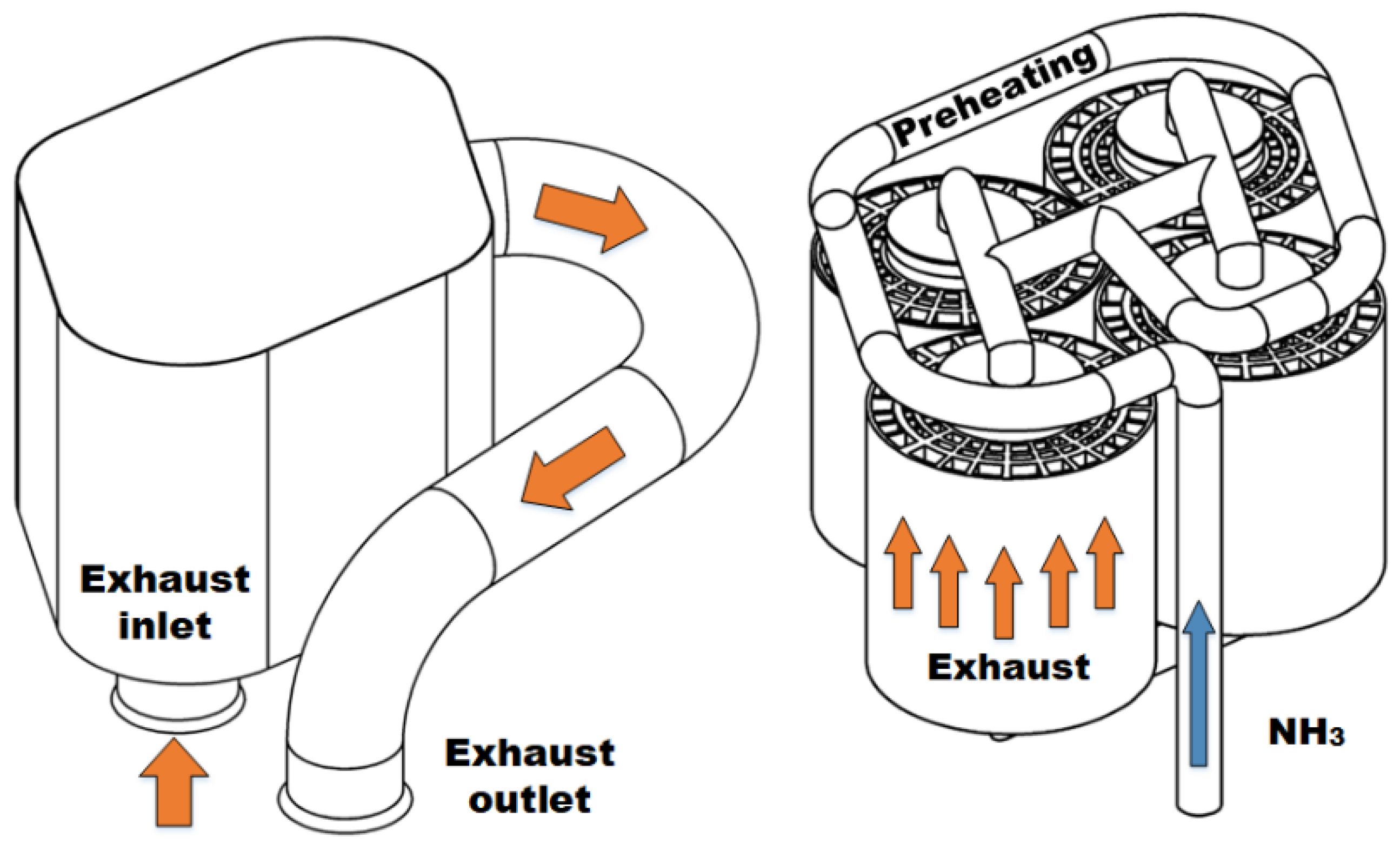
2. Researchers at the University of Minnesota have successfully tested a thermochemical recuperation (TCR) reactor to improve the efficiency of a dual-fuel, diesel-ammonia compression ignition engine by minimising ammonia slip.

3. A global team led by Cardiff University researchers has revealed some of the inner workings of ammonia combustion in gas turbine flames.

4. A global team has produced a cradle-to-gate environmental assessment for ammonia production and ammonia-based electricity generation, suggesting that renewable and nuclear ammonia have a significant role to play in decarbonising the power sector.

4.4 million tonnes per year renewable ammonia in Chile
Article

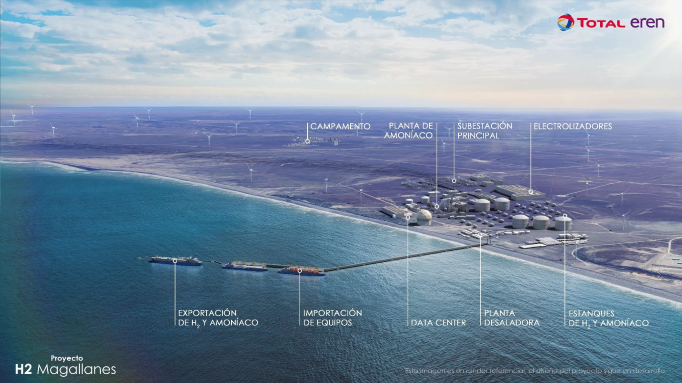
Total Eren will lead development of the H2 Magallanes project in southern Chile. Up to 10 GW of onshore wind capacity will power 8 GW of electrolysers, a desalination plant, an ammonia production plant and port facilities to export the product to local and global markets. At full capacity, 4.4 million tonnes of renewable ammonia will be produced every year. Although H2 Magallanes is still in the pre-feasability stage, it will be launched in 2025, with the aim to begin hydrogen electrolysis in 2027.

Green ammonia port hubs in the UK and Australia
Article

H2 Green will develop a renewable energy hub at the Port of Shoreham in West Sussex. The initial focus will be the electrification and use of hydrogen fuel in the Port's vehicle fleet (heavy forklifts and trucks), before expanding to accommodate the ~800 heavy goods vehicles that enter the port daily. The second phase will be an ammonia import facility to meet growing demands for hydrogen fuel in the surrounds. In Australia, the Geelong Hydrogen Hub will be developed by CAC-H2, a developer who is also planning two carbon-negative, waste-to-ammonia projects in Australia. The Geelong Hub includes multiple, new-build infrastructure elements including import/export & cracking facilities. Similar to Shoreham, import of green ammonia to meet growing demand for hydrogen fuel is the second phase of the project.

Plug Power to deliver electrolysers for Egyptian green ammonia project
Article

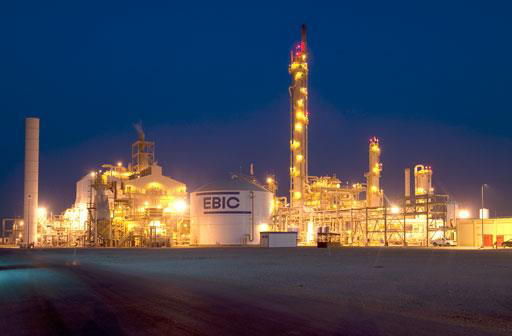
A Fertiglobe-led consortium has selected US-based Plug Power to supply 100 MW of PEM electrolysers for a new green ammonia project adjacent to EBIC's ammonia plant in Ain Sokhna, Egypt. At full capacity, the project will generate enough green hydrogen feedstock to produce 90,000 tonnes of ammonia per year. The consortium partners are targeting a start date of 2024 for operations, though enough construction work will be completed at the facility to showcase it at next year's COP.

Green ammonia in Paraguay
Article

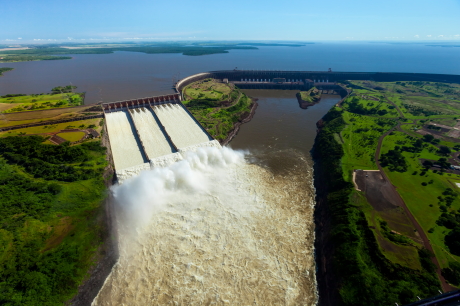
Paraguay's National Administration of Electricity (ANDE) signed a new MoU this week with MET Development and FerSam Uruguay to develop a 100% renewable energy-powered fertiliser plant in Alto Paraná. Hydroelectricity from the nearby Itaipu Dam will power green hydrogen production, which will then be utilised to produce ammonium nitrate fertilisers. ATOME Energy also announced plans for a 250 MW green hydrogen & ammonia production plant in the Itaipu Technology Park. Both project fit neatly into Paraguay's green hydrogen national strategy, with an installed electrolyser target of 600 MW set for 2030.